- Home
- Corporate
-
Our Services
-

Turnkey Data Center Installation
Standard-compliant engineering solutions where all infrastructure components are managed from a single center — from site survey to commissioning.
-

Project Design & Engineering
We design energy-efficient and scalable data center infrastructure projects with a detailed engineering approach in compliance with international standards.
-

Installation & Commissioning
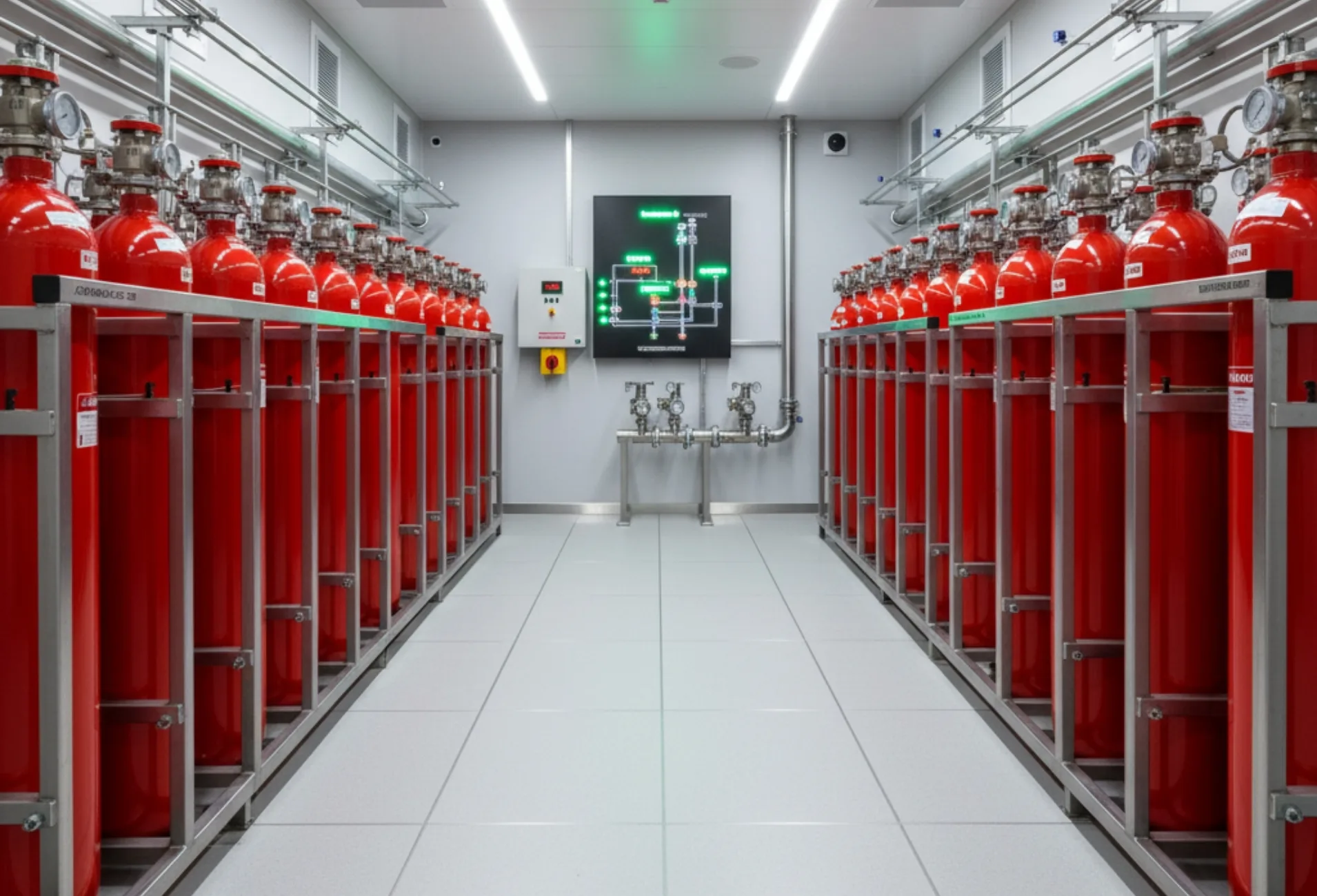
We integrate all system components (UPS, cooling, fire protection, DCIM, etc.) and carry out testing and commissioning processes on a turnkey basis.
-

Maintenance & Periodic Service
We perform scheduled maintenance and performance checks on hardware, power, and environmental systems to ensure uninterrupted operation.
-

Technical Support & Operations
We guarantee operational continuity and system reliability with 24/7 monitoring, fault detection, and on-site intervention services.
-

Exploration & Consultancy
We offer professional engineering consultancy for needs analysis, on-site surveys, and determining the most suitable infrastructure solution at the project’s initial phase.
-
- Contact
+90 (216) 378 28 88